Runner Rugs: How to Pick a Runner for Your Space
Warm up your hallways and add style to smaller spaces.
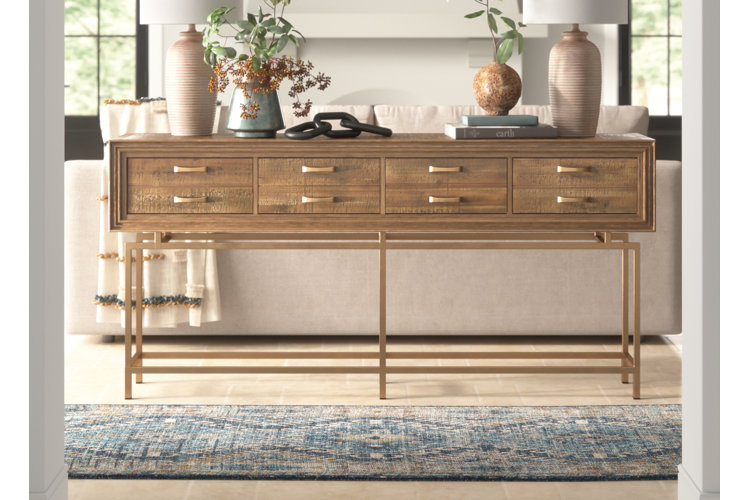
We love adding runner rugs to hallways or smaller spaces that are in need of a touch of warmth, texture, and color. These long and narrow rugs protect hardwood hallways or tiled floors from scuffing and staining while adding style with texture and pattern. Learn how to pick a runner that's right for your home with our in-depth guide on this functional and stylish type of rug.
Select the Size That Best Fits Your Space
Choose Materials That Suit Your Needs
Place Your Runner in the Right Spot
Consider Safety, Care, and Maintenance
Select the Size That Best Fits Your Space
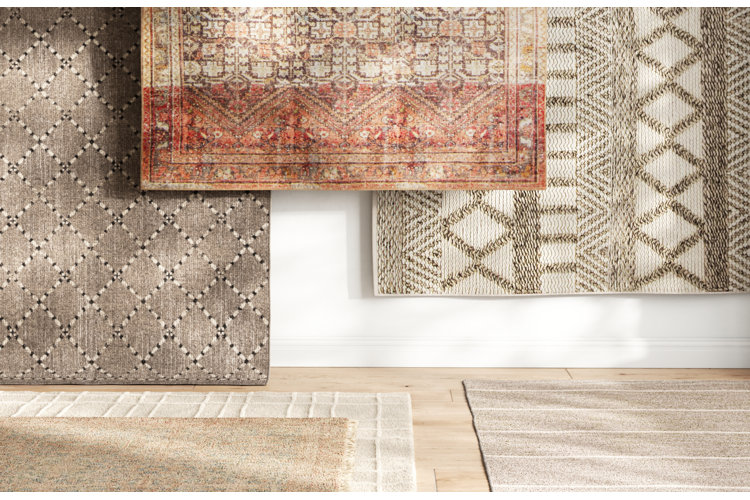
Getting your runner dimensions correct is key to styling your space. A runner that’s too short will look misplaced and one that’s too long simply won't fit. When choosing a runner size, measure your hallway's width and length as well as taking into account any furniture in the hallway, like a console table. Since there should be some space between your runner and the wall the legs of your furniture should either be completely off the rug or just the front legs standing on the edge. Leave about 4" – 6" of flooring exposed on all sides of your runner.
Pro Tip:
Working with an extra long hallway? Don't worry about getting a customized runner, just put two runners together in a line.
Runner length isn't the only dimension you should consider before making your purchase. Pile height, a rug's thickness, is also a factor and ranges from ¼" – 1" high. If you're placing a runner near a door, make sure that the runner's pile height isn't too high – this will prevent the door from opening smoothly and will ruin the rug's fabric.
Choosing the material of your runner goes beyond what looks best with your aesthetic. The right material should be comfortable, durable, and easy to clean – especially since these types of rugs see a lot of traffic throughout the day.
Wool
Wool rugs make the best runner rugs. Its material is warm and soft under your feet and ideal for high-traffic areas with cold floors. We love wool for its longevity: it can last up to 50 years if cared for properly. Choose wool runners for your home for a cozy material that's also water- and stain-resistant – a major bonus when it comes time to clean your rugs.
Polypropylene
Polypropylene rugs are lightweight, easy to clean, and fade-resistant – making them perfect in spaces that get a lot of sunlight. This material has a lifespan of about three to five years. Place this runner anywhere in your home, except for the kitchen. Polypropylene is flame-retardant, meaning it's highly flammable, so keep this material out of spaces where fire is used and leave about 12" – 24"inches of space between your polypropylene rug and baseboard heaters.
Jute & Sisal
We love jute and sisal which are made from a type of grass found in Asia known for their strength, durability, and natural look. These materials hold up for years if treated properly, they're waterproof so you can wash them at home, and they don’t fade easily. Rugs can be made of jute and sisal or a combo of the two, so you have plenty of options. Feel free to place a runner made from these materials in high traffic hallways or rooms that get a lot of sunlight without worrying about fraying or fading.
Cotton
Cotton is a soft-feel rug material that can last more than five years. Keep your cotton runner in the best shape possible by placing it in an area that doesn't see too much traffic: under a console table or in a guest bedroom or bathroom.
Polyester
Polyester is another soft-feel rug material that's cozy and feels great under pet paws and bare feet. This material is stain and fade resistant, so feel free to place it in high traffic areas or spots that get direct sunlight. Polyester runners tend to last around three to five years and can get indents from furniture, so make sure to rotate your runner every two to three months to avoid permanent indentations.
Viscose
Viscose, also known as rayon, is a material similar to silk. This material is cool to the touch and is often combined with wool or cotton to create a more durable rug. A pure viscose rug is delicate and best for areas without high traffic – we recommend a blend of viscose instead so you can lay it down in areas like the entryway or main hallways. If cared for properly, a viscose rug can last between two to three years.
Pro Tip:
Choose the rug design that best suits your aesthetic with our guide Rug Designs for Every Style.
Place Your Runner in the Right Spot
Runner rugs are designed to fit long, narrow hallways and smaller areas that are in need of a little padding or decor. Check out some of the best places to roll out a runner below.
Entryways
Entryways are a home's first impression – add a runner rug to set the mood for the rest of your home and keep hardwood floors protected from any shoes tracking in the outdoor elements. Choose a runner design on the simpler side for a more contemporary look.We love this abstract stripe pattern in a modern entryway like the one above..
Hallways throughout your home can feel like "no man's land" when it comes to styling – not to mention they're a high traffic area. For both of these reasons, your hallways will benefit from a runner. Choose a design that adds color and pattern to create an aesthetic that blends with the style of any room the runner leads to. A traditional Persian-inspired rug like the one styled above fits perfectly into a transitional hallway and will go well with the rest of your home’s style.
Looking to add a rug to your bedroom but don't want to cover up the majority of your flooring? Runner rugs allow you to add color and texture to your floor without taking over the entire space. We love how a runner looks styled at the end of a bed, either under or directly in front of a bench. A simple runner with a pattern that fits your interior design is the perfect way to make the space more inviting and cozy. For a transitional space, try a bohemian style rug for a blend of traditional and modern elements.
Runner rugs are a great alternative to bath mats for a more sophisticated look in the bathroom. Add a runner by your vanity to keep your feet warm as you wash up and prepare for your day.To keep the look proportional, make sure the length of the runner is slightly longer than the length of the vanity. A runner for a single vanity can be 4' – 6' while a double vanity may need a runner closer to 6' – 8'.
You should also remember to consider these additional features like safety, care, and maintenance when deciding which runner is right for you. The following extra elements help boost your rug’s safety, make it easier to clean, and help it stay fresh and beautiful as long as possible!
Non-Slip Backing
Whenever you place a rug, it's important to make sure there's a non-slip addition to the bottom to prevent your rug from shifting, scuffing your floors, or causing any potential accidents. You can do this by adding a rug pad or – even easier – buying a rug that comes with non-slip backing, so you don't have to worry about finding a pad. This backing, which is made out of gripes on the back of the rug, gives you extra safety without the extra step.
Machine-Washable
Runners see a lot of traffic throughout the day, year round. Dirt, dust, and stains are bound to mar your rug every now and then. Make sure your rugs are machine-washable to easily combat stains and keep your rugs vibrant and clean
Pro Tip:
For more ideas of what rugs work best for high-traffic or potentially messy spaces (like kitchens), see our guide Kitchen Rug Ideas for Busy Homes.
Reversible
Why have one rug pattern when you can have two? A reversible runner gives you the option to flip over your rug if it's getting too worn or dirty to reveal a fresher side. Reversible rugs don't have to be replaced as often, and many provide you with another design you can switch to when you’re in the mood to refresh your space.
Indoor/Outdoor Use
Choose a rug that can do both – runners that can withstand both indoor and outdoor elements are super durable and great in homes with kids or pets. These runners are easy to clean and can bounce back after snow is tracked during the winter or mud is brought in during the spring.
Ready to shop?
