Your Complete Guide to Interior Design Styles
There's never been a better time for a home makeover.
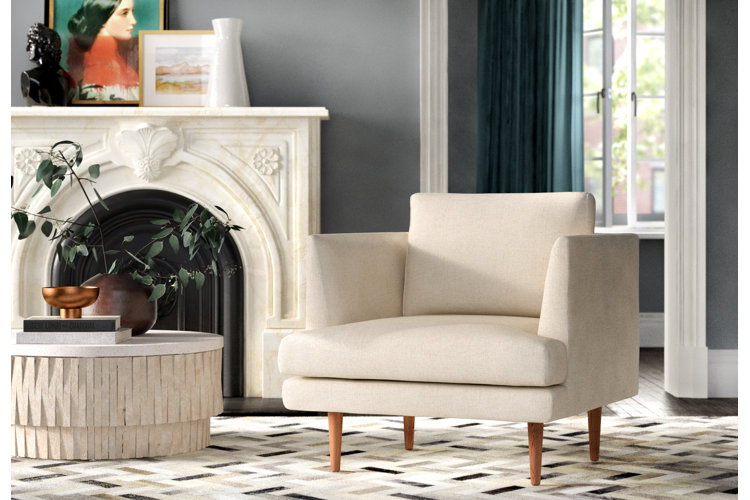
Interested in learning more about home design styles? You've come to the right place. We're obsessed with creating a home that mixes elements from different designs to create a cohesive, transitional look. Keep reading below to learn about the different interior design styles or use the table of contents to skip ahead to the design of your choosing.
Modern & Contemporary Styles
Bohemian Style
Coastal Style
Rustic Style
Glam Style
Traditional Style
Transitional Style
Modern & Contemporary Styles
The Basics
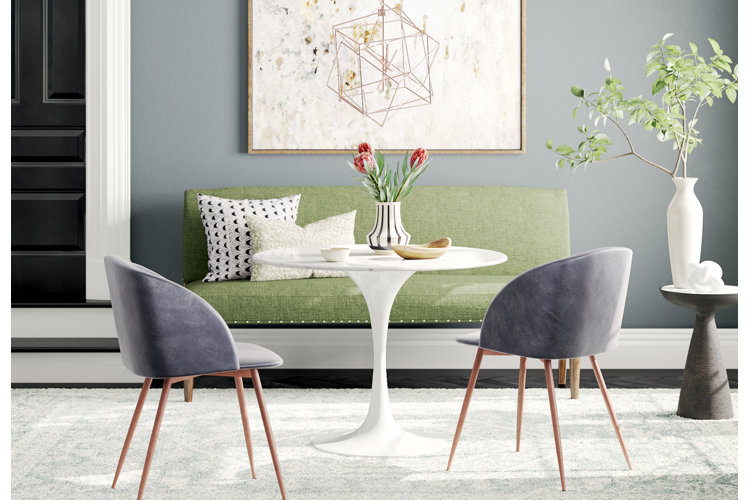
Modern and contemporary styles have outlasted many trends over the last century and are here to stay. These styles thrive in a bright, open space and value simplicity.
Colors & Materials
If you're looking to design a modern or contemporary room, stick to a simple color palette with muted neutrals and a few bold punches of saturated colors (think: red, indigo, and orange). Modern design favors earthy elements, so choose natural materials, like wood, stone, and fiber, but pair them with metal and glass for a balanced look. For example, choose furniture that is made from wood – like a low-profile TV stand – and pair it with brass light fixtures and a jute rug. Chrome, glass, and steel are a few other favored materials.
Furniture
One of the hallmarks of modern design is the sleek, low-profile furniture with clean lines, organic silhouettes, and tapered legs. Modern and contemporary bed frames, dressers, and vanities look like they float because of the skinny or nonexistent legs. Stick to smooth knobs or cutout handles.
Decor
Keep decor to a minimum and stick to purposeful pieces. Roll out a hemp or jute rug and invest in a bold, retro light fixture. Paint one accent wall or consider hanging up a few abstract art pieces. You may have to pull a Marie Kondo to simplify your space, but you'll be able to enjoy a glass of wine in a calm, modern environment.
The Basics
The eclectic bohemian style is all about giving off a carefree, adventurous vibe and is very arts-forward. It goes against many minimalist trends by spotlighting curated maximalism.
Colors & Materials
For a bohemian home, choose vibrant colors like burgundy, emerald, and deep purples to create a warm atmosphere. Layer rich patterns via the textiles of your choice: throw pillows and blankets, rugs, tapestries – you name it. Use metal and wood as accents.
Furniture
Choose comfortable pieces of furniture like chaise lounges and daybeds to keep the relaxing momentum going. Scoop up a couple of rattan accent chairs and a cane coffee table or bed. Look for tufted ottomans and headboards in luxurious fabrics to balance out the strong lines of rattan.
Decor
This is the place you can really go wild with bohemian design! Show off items you've collected while traveling – eclectic items work well in these spaces. Look for vintage-inspired throws and pillows, or hang a crocheted dream catcher and lantern lighting. Roll out a Moroccan, Southwestern, or animal-hide rug. And always add a faux plant (or five) – you can never have enough.
Pro Tip:
The layered rug look is very bohemian. Want a little help making this trend work in your home? Check out our guide Easy Ideas for Layering Rugs.
The Basics
Coastal decor is inspired by the seaside and was created to reflect the sophisticated yet relaxed beach-house spirit of California beaches. Coastal homes are always inviting and light without feeling stuffy or kitschy.
Colors & Materials
The colors of coastal decor reflect salt, sand, and sea breezes. Use all shades of white or beige as your base, from eggshell to sand, and blue (especially navy) as your primary accent. Consider adding unfinished wood pieces like a dining table, coffee table, or accent furniture. Choose linen upholstery and duvet covers and cotton throw blankets and pillows – they're so easy to clean after a beach stroll. For accents, opt for items made from jute and glass.
Furniture
Coastal furniture should look and feel comfy – like a linen-upholstered accent chair you can't wait to sprawl out on. Slipcovers are big for coastal design, especially on sofas with plush cushions and rolled arms. Pair with unfinished wooden end tables. Shy away from anything fussy or overly ornate. Wicker-framed chairs are a fun option for indoors and outdoors. For bedrooms, choose a beadboard headboard.
Decor
The decor in a coastal home should be simple and approachable. Consider using striped wallpaper or hanging a map on your wall. Roll out a jute rug, opt for sheer window treatments, and look for wicker and gold accents. It's that simple. An anchor, lantern, or garden stool are great, subtle additions that won't feel kitschy.
Pro Tip:
Love garden stools? Bring one inside your coastal home to use as a nightstand, or opt for a trio of them in place of your coffee table. Check out our guide Decorating with Garden Stools for more inspiration.
The Basics
Rustic homes are dedicated to creating a simple, effortless, and nature-forward space. You'll find a lot of similarities between rustic design and the elements of a charming farmhouse-style home. Rustic homes are supposed to be a gathering place, whether it's for a Sunday brunch or a Fourth of July barbecue.
Colors & Materials
Natural elements make a home feel rustic. You'll spy a lot of raw stone and unfinished wood. For wood, choose species like pine, cherry, and hickory. A variety of texture is popular in rustic design, including cowhides, metal, and nubby blankets. Rustic homes are very pattern heavy, especially with ikat and buffalo check.
Furniture
Rustic furniture has that "lived in" feel to it, meaning furniture is designed to feel comfortable, worn-in, and relaxed. Opt for a distressed leather sofa and accent chairs. Choose a deep sleigh bed or four-poster bed and pair it with a wide wooden dresser.
Decor
Decorate your rustic home with pieces that juxtapose the warm interiors. Think: nature- or animal-inspired wall art or sculptures. Look for industrial pendant lighting and wrought-iron shelves. Choose distressed, dark-toned metal hardware for faucets, towel bars, and cabinet knobs. Hang driftwood over the fireplace or a branch above the bed for a finishing touch.
The Basics
Glam styles feel sexy and sophisticated. This design is meant to evoke old Hollywood and represent the lavish estates of young actresses. You'll find lots of dramatic elements and luxurious materials.
Colors & Materials
One thing that makes the glam aesthetic different from all other styles is that it uses black and white as a base instead of neutral colors. For accent colors, use jewel tones like emerald green and vibrant pinks. Look for velvet throw pillows, faux fur rugs, satin sheets, and marble countertops. Acrylic, glass (and mirrored glass), and sequins are equally popular – basically anything that screams luxury.
Furniture
Glam furniture is known for its stark lines and hints of ornate details, especially in bedroom and accent furniture. Opt for a glass coffee table with gold details. Pair it with acrylic-legged furniture and high-gloss end tables. Choose a velvet-upholstered bed frame with nailhead trim. Complete your glam bedroom with a marble nightstand and metallic vanity.
Decor
To complete a glam home, fill it with bold accessories, like gold metal wall accents, candle holders, sculptures, and oversized, framed mirrors. Roll out a plush rug. Choose decadent lighting; a chandelier dripping in crystals is the perfect finishing touch.
The Basics
Traditional design is a classic because it's a style that works in anyone's home. Most traditional designers keep things symmetrical around a center focal point.
Colors & Materials
Traditional spaces use neutrals like beige and cream as the base for walls and large pieces of furniture. Rich reds, browns, greens, and jewel tones are used as accent colors by way of an accent wall and decor. Traditional designers love patterns, so you'll see floral or plaid throw pillows and striped sofas.
Furniture
One of the most valuable features of traditional design is the detailed woodwork. You'll find dark-toned wood claw-foot tables and sleigh beds with intricately carved details. For accent furniture, choose wingback chairs and overstuffed sofas.
Decor
Traditional decor should look elegant, effortless, and tailored. It reflects the highly detailed designs of 18th-century European. Place vases, candles, and your curated book collection on built-in bookshelves. Keep a decorative bowl out on your kitchen island. Add cashmere throw blankets. Alternatively, cotton and linen blankets work just as well – and they're easier to care for!
The Basics
Feel like your style can't be defined by just one of these aesthetics? Or do you love rustic furniture but lean toward coastal decor? You're in luck! Transitional style takes the best elements from each style to create one curated look. Transitional homes are all about balance and should feel warm and inviting.
Colors & Materials
Start with a neutral base of muted grays, tans, and off-whites. Layer pops of bold colors like sapphire blue, mustard, and evergreen. Use a lot of texture to create a calm and cozy look. Opt for a soft suede sofa and corduroy lumbar pillows. Choose pieces of furniture that are made with wood, steel, metal, and glass.
Furniture
Since transitional design blends contemporary furniture's straight lines with traditional furniture's curved pieces, look for items that have both. Pair a wood table with intricate details with curved, upholstered chairs that have tapered legs. A transitional room should always feel welcoming and should never feel fussy.
Decor
For the final details of your transitional home, choose intentional, versatile pieces that don't lean too heavily into any other design category. Consider a fiddle-leaf fig plant, a broken-line rug, and wall baskets.
Pro Tip:
For every need-to-know detail about transitional style, check out our guide What Is Transitional Style? You can thank us later. 😉
Looking for a place to start? Check out our Style Quiz for more inspiration!
